











 Customer Dispute Resolution Page
 Help Center
 Affiliate Program
Play Anytime, Anywhere
In this article










When people picture a costly poker mistake, they think of one dramatic hand. A stack-off that went wrong on television, a snapped bluff. And, while they make for great content, they are not the only thing that empties bankrolls.
The most costly mistakes are typically ordinary and repeated. They shave points off your win rate session after session, or they take the whole roll in one bad night. Here are the seven that do the most career damage, ranked by total cost, each with a fix you can use.
Let's start with the one that can take everything.
Why is this sitting at number one? Because it's the only mistake on the list that can zero you out while you're still a winning player. Variance in poker is a long game running for thousands of hands.
A skilled player will hit long, steep downswings as a matter of routine. They realise that downswings happen, and they can go for long periods. Without a cushion or strategy to absorb them, an ordinary cold run can do some serious damage. Playing with too large a share of your money on the table also damages your decisions directly. That fear creeps in, and you start folding good draws and over-defending from caution.
It's worth having a look at a legendary poker player, Archie Karas.
Starting in 1992 with around $50 and an early loan, he ran it up to a reported $40 million over two and a half years in Las Vegas. He then lost most of it within weeks, including $11 million playing craps. Winning big and keeping it are different skills. A bankroll is what buys you the time to let your edge play out.
The fix: set stake rules based on your bankroll.
A common rule of thumb is on the order of 20 to 50-plus buy-ins for cash games, and more for tournaments because the swings are larger. Treat those as rough guides, not law. Take shots with a small, pre-decided slice of your bankroll, and move down a level when the roll shrinks, ego aside.
This is the emotional angle clouding calculated, well-thought-out decision-making.
Tilt overrides many things. You play hands you'd normally fold, make hero calls without the price, and keep rebuying. A bad session can wipe out weeks of patient, winning play. Unchecked emotion does more damage to most players' results than any strategic flaw.
The fix: set a hard stop-loss before you sit down and honour it.
Schedule breaks for when it feels right, and adopt a rule. Leave when you're tired or tilted, trust your body more than an external number. (The flip side, playing scared after a big win, is the same results-driven leak seen from the other direction.)
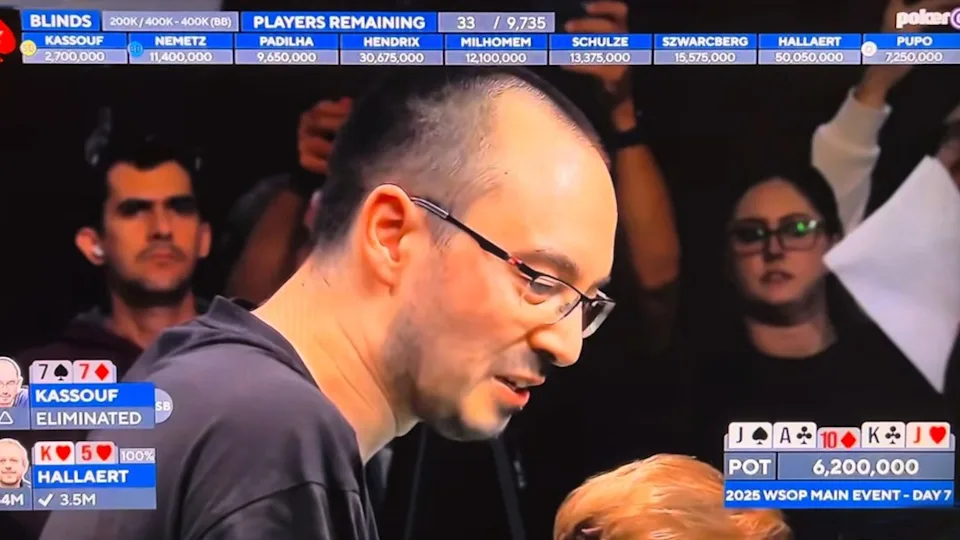
The most common losing-player habit there is.
Curiosity calls and hero calls made only to see it. Those stubborn river calls against players who only bet strong hands drain money every single session. Most of the field doesn't bluff enough on the later streets, so a big river bet is usually exactly what it looks like: value.
The fix: fold more to turn and river aggression than feels natural. When you do call to catch a bluff, do it because something in the hand tells you it's a bluff, not because you want to know what they had.
This is the leak one may not notice as much (most likely no single pot looks like THE disaster). A loose starting range and weak blind defence can lead to entering pots with paltry holdings. And it may be out of position, and then compound the problem by having to guess on every street with the worst of it.
Add it up over a year, and it can compound into big numbers.
The fix: tighten your preflop range, play more of your hands in position, and stop defending the big blind with trash. Strong players fold the majority of their hands preflop for exactly this reason.
The classic stack-killer. You flop top pair or hold an overpair, decide it's the best hand, and shovel your stack in against a betting line that has you beaten. One avoidable stack-off like this can cost a hundred big blinds or more. It’s a huge chunk of a session in a single pot.
The fix: respect raises and read ranges rather than your own hand strength. Top pair is one pair. When your strength is marginal, keep the pot small instead of turning it into a stack-off you're on the wrong side of.
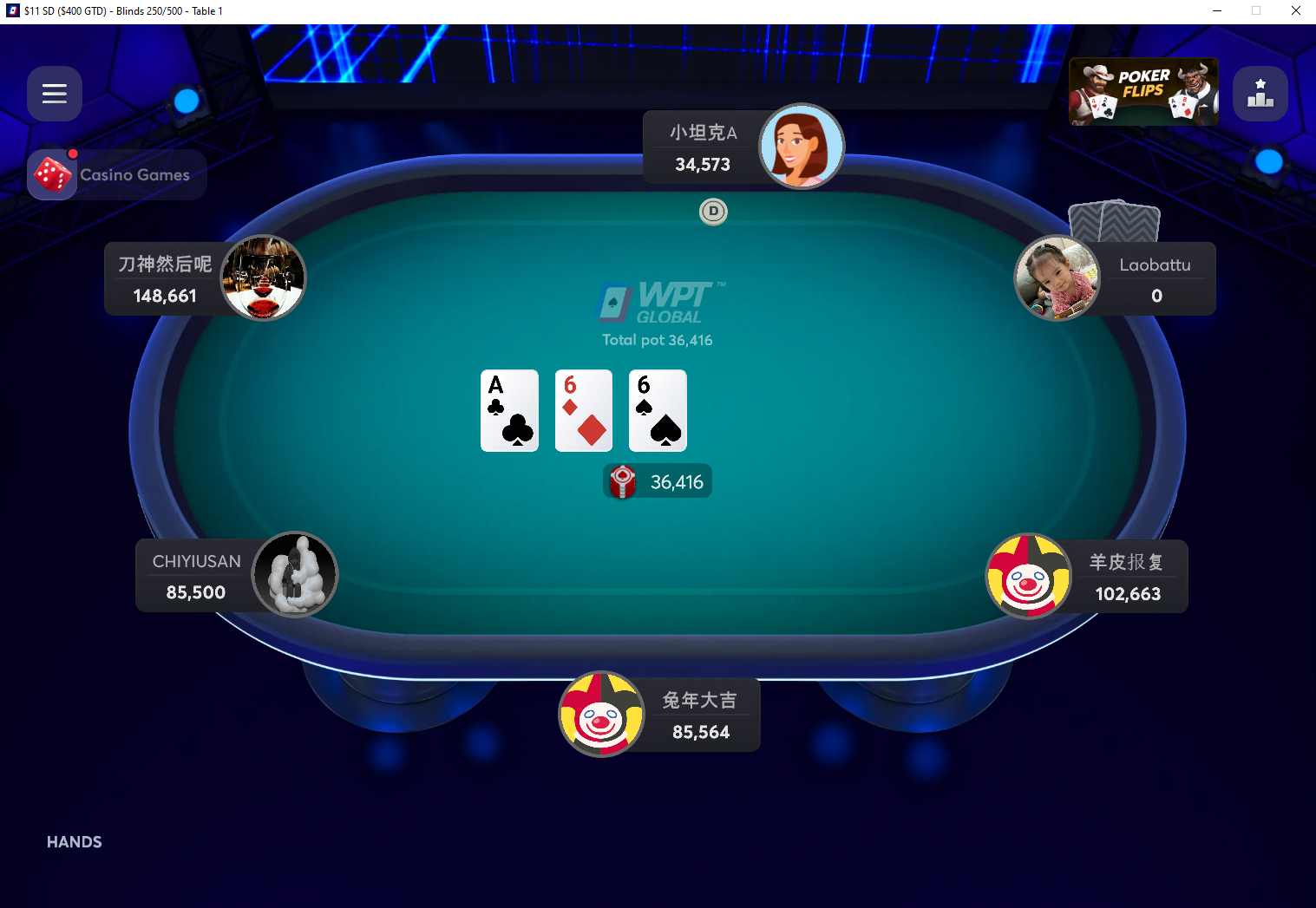
Getting the odds wrong can become a tax that creeps on you without noticing.
One decision that can seriously hurt financially is using your river odds for a decision on the flop. A flush draw will complete roughly 35% of the time if you get to see both the turn and the river.
Now, you only have about a 19% chance of hitting on the next card (also usually another bet coming on the turn that you haven't accounted for). Treat that 35% as if both cards are free and you call too often, for too much, all session long.
We all learn as players to count outs early on. For example, a flush draw is nine outs. But, not all outs are clean, and they're rarely all clean. Miscounting outs and ignoring implied and reverse-implied odds add to the bill.
The fix: learn simple shortcuts. Multiply your outs by about two for one card to come, by about four only when you're already all-in and will see both. Call when the price in front of you is right.
Your win rate is as much about who you play as how you play.
Grinding hard tables, not playing soft seats, and playing high-rake games can turn a small edge negative. Refusing to leave a bad game or trying to go up a level can end badly.
The fix: hunt for the soft seats and be willing to leave a table where you're not among the best players. Factor the rake into whether a game is beatable at all. And keep studying, because a win is a snapshot of one good stretch and the edge fades if you coast while the field keeps improving.
Look back over the list. For five of the seven, the strategy-chart isn't in the conversation. Rather, it's money and emotion management. Bankroll, tilt, game selection, knowing when to fold, and knowing when to quit. Yes, clever plays are brilliant.
However, applying these principles to your game will have a far bigger impact down the line. The most expensive poker happens away from the hand.
Always try and play the decision (calculated and strategised), not the scoreboard. The money you've won or lost today is already spent or banked. Make the next decision well. Choose the right game, with the right stake, in the right frame of mind, and get the price right.

Playing above your bankroll. It's the only common mistake that can bust you completely even when you're a winning player, because normal downswings last thousands of hands and need a cushion to survive.
Calling too much. Curiosity and hero calls against value-heavy bettors bleed money every session, because most players don't bluff enough on the later streets.
Using the roughly 35% chance a flush draw completes over both cards to justify a flop call, when you only have about a 19% chance on the next card and there's usually another bet coming on the turn. It leads to calling too often for too much.
Because it overrides your strategy all at once. You play worse hands, call without the odds, and keep rebuying while stuck. One unchecked session can erase weeks of winning play, which is why a stop-loss matters more than almost any strategic tweak.
As a rough guide, on the order of 20 to 50-plus buy-ins for cash games and more for tournaments, since tournament variance is higher. Treat it as a guideline and move down in stakes when your roll shrinks.
Playing above your bankroll. It's the only common mistake that can bust you completely even when you're a winning player, because normal downswings last thousands of hands and need a cushion to survive.
Because it overrides your strategy all at once. You play worse hands, call without the odds, and keep rebuying while stuck. One unchecked session can erase weeks of winning play, which is why a stop-loss matters more than almost any strategic tweak.
Calling too much. Curiosity and hero calls against value-heavy bettors bleed money every session, because most players don't bluff enough on the later streets.
As a rough guide, on the order of 20 to 50-plus buy-ins for cash games and more for tournaments, since tournament variance is higher. Treat it as a guideline and move down in stakes when your roll shrinks.
Using the roughly 35% chance a flush draw completes over both cards to justify a flop call, when you only have about a 19% chance on the next card and there's usually another bet coming on the turn. It leads to calling too often for too much.
Playing above your bankroll. It's the only common mistake that can bust you completely even when you're a winning player, because normal downswings last thousands of hands and need a cushion to survive.
Because it overrides your strategy all at once. You play worse hands, call without the odds, and keep rebuying while stuck. One unchecked session can erase weeks of winning play, which is why a stop-loss matters more than almost any strategic tweak.
Calling too much. Curiosity and hero calls against value-heavy bettors bleed money every session, because most players don't bluff enough on the later streets.
As a rough guide, on the order of 20 to 50-plus buy-ins for cash games and more for tournaments, since tournament variance is higher. Treat it as a guideline and move down in stakes when your roll shrinks.
Using the roughly 35% chance a flush draw completes over both cards to justify a flop call, when you only have about a 19% chance on the next card and there's usually another bet coming on the turn. It leads to calling too often for too much.


 Local Payment Methods
 Cards
Cards Crypto
 E-Wallets
 Apple Pay
 Google Pay
 Instant Bank Payments
Some methods may not be available in your region. Please contact support if you experience any issues.